Read on Curious Bean
Articles imploring the hazards, impact, and infomation regarding fast fashion.
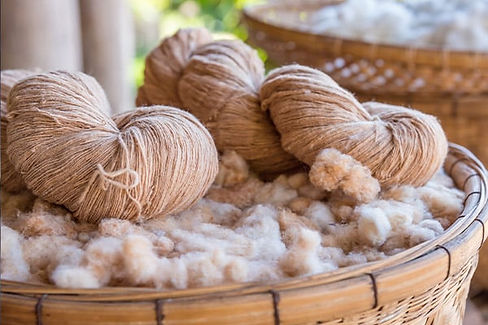
Natural Fibers Towards Fashion Sustainability: A Review of Raw Materials, Production, Application, and Perspective
ABSTRACT
Sustainability is becoming crucial for the survival of the fashion industry, with fiber, materials, and product innovations leading the way. Recently, the industry has embraced eco-friendly practices by using natural fibers in clothing and accessories. These fibers reduce environmental impact and represent a growing trend in sustainable fashion. Global production of natural fibers is expanding to meet increasing demand, gradually replacing synthetic and energy-intensive materials. This shift is driven by environmental awareness and the desirable qualities of natural fibers, such as lightweight and cost-effectiveness. This study aims to thoroughly review the most commercially important natural fibers, exploring their production, applications in sustainable fashion, properties, and industry cost considerations. The synthesis of a broad range of information into a cohesive analysis makes the review a valuable contribution to the discourse on sustainable fashion.
Fashion and textile waste management in the circular economy: A systematic review
Abstract
This paper presents a systematic review of waste management within the circular economy (CE) principles, specifically focusing on the fashion and textiles industry. It examines the current state of waste generation, and management strategies in fashion and textiles, emphasizing the environmental impacts and underscoring the need for sustainable practices. The study explores the potential opportunities for waste reduction, resource conservation, and stakeholder value creation. An initial selection of 243 research papers was narrowed to 104 for in-depth analysis. Five primary research methodologies—case studies, surveys, reviews, reports, and book chapters—were identified, spanning seven key research areas within the fashion waste management. Findings indicated that around 70 % of studies concentrated on waste management strategies, including reuse and recycling and transition to a circular economy. The analysis also identifies major challenges, drivers and barriers to implementing fashion waste management policies, addressing the technical implications of waste management across various aspects, including design, manufacturing, supply chains, policy, economic factors, consumer behavior, and business models. Manufacturers are looking to implement CE strategies in fashion and textile waste management, demonstrating significant potential for innovation and benefits such as reduced environmental impact, cost savings, and enhanced brand reputation engaging stakeholders from different dimensions. The paper concludes by discussing the implications for theory, policy, practice, and future research directions. It argues that, although notable challenges persist, there are substantial opportunities to advance waste recycling within the fashion and textiles sector.
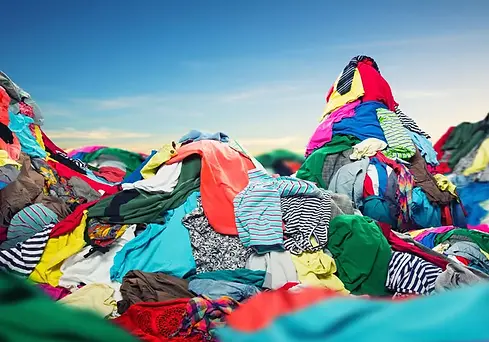

SECONDHAND 101
The rise of the global fashion and consumer goods industries has devastating environmental and social consequences. Excessive consumption by some contributes to resource depletion, carbon emissions and waste generation that affects us all — even while others can’t purchase or access basic necessities.
The fast fashion vs environment debate: Consumers’ level of awareness, feelings, and behaviour towards sustainability within the fast-fashion sector
The aim of this study is to investigate the level of knowledge (cognition), attitudes, and behaviour of customers toward sustainability issues in the context of fast fashion. It incorporates empirical evidence that focuses on investigating what consumers know and feel, and how they behave towards fast fashion brands in the context of sustainability, and further explores whether consumers’ knowledge about fashion is not sufficient to evoke environmentally friendly purchases. To facilitate a shift towards more sustainable fashion consumption if this is desirable, providing clear information about the environmental and the social impact of products and creating strong feelings, seems to be promising. The descriptive analysis of data collected from 97 consumers reveals that although most consumers claim to be knowledgeable about sustainability-related issues, they lack precise and accurate knowledge on aspects linked to the sustainable supply chain, including fabric, materials, recycling, or re-use of fashion items. Women appear to be more knowledgeable about this topic than men, but men are willing to pay a higher price for fast fashion brands that reflect their moral values.
Article by: Ioanna Papasolomou, Yioula Melanthiou & Anestis Tsamouridis